


Safari in Tanzania
Explore iconic parks like the Serengeti, Ngorongoro and many more
for an unforgettable immersion in the wildlife and landscapes of Africa
Explore our other destinations
East Africa
Our safaris in Tanzania
*Dear visitors, please note that the safaris presented below are examples. Each safari trip can, of course, be customized to your needs and preferences.
OUR EXPERIENCES IN TANZANIE
Discover our exceptional safaris in Tanzania
Go on safari in Tanzania
Enjoy an unforgettable experience, organized by an expert tailor-made safari guide
What if we imagined your next adventure with Fundis’Africa?
Book a moment to talk with us about your wishes, ask your questions and imagine together a safari that suits you.
Book an appointment
Tanzania, the ultimate safari destination
There are destinations that have a reputation, and then there are destinations that truly deserve it. Tanzania falls into the latter category. The endless plains of the Serengeti, the Ngorongoro Crater and its unique concentration of wildlife, the elephants of Tarangire beneath centuries-old baobab trees, the Great Migration of wildebeest and zebras that crosses the same corridors every year with astonishing precision: all of this is real and all of this is accessible in a single trip.
Tanzania is also the country where the diversity of East Africa is most powerfully expressed. In just a few days, you can travel from the dry, golden plains of the Serengeti to the verdant slopes of Ngorongoro, from the wetlands of Tarangire to the white sand beaches of Zanzibar, a 45-minute flight from Arusha. This contrast between savannah and sea, between wild bushland and the beaches of the Indian Ocean, is one of the reasons why Tanzania is the most complete safari destination on the African continent.
At Fundis'Africa, Tanzania holds a special place. It's a destination we know intimately, from the northern Tanzanian circuit to the secluded southern parks like Ruaha and Selous, and we have been regularly accompanying French and English-speaking travelers there for several years.
The must-see parks for a safari in Tanzania
Serengeti National Park
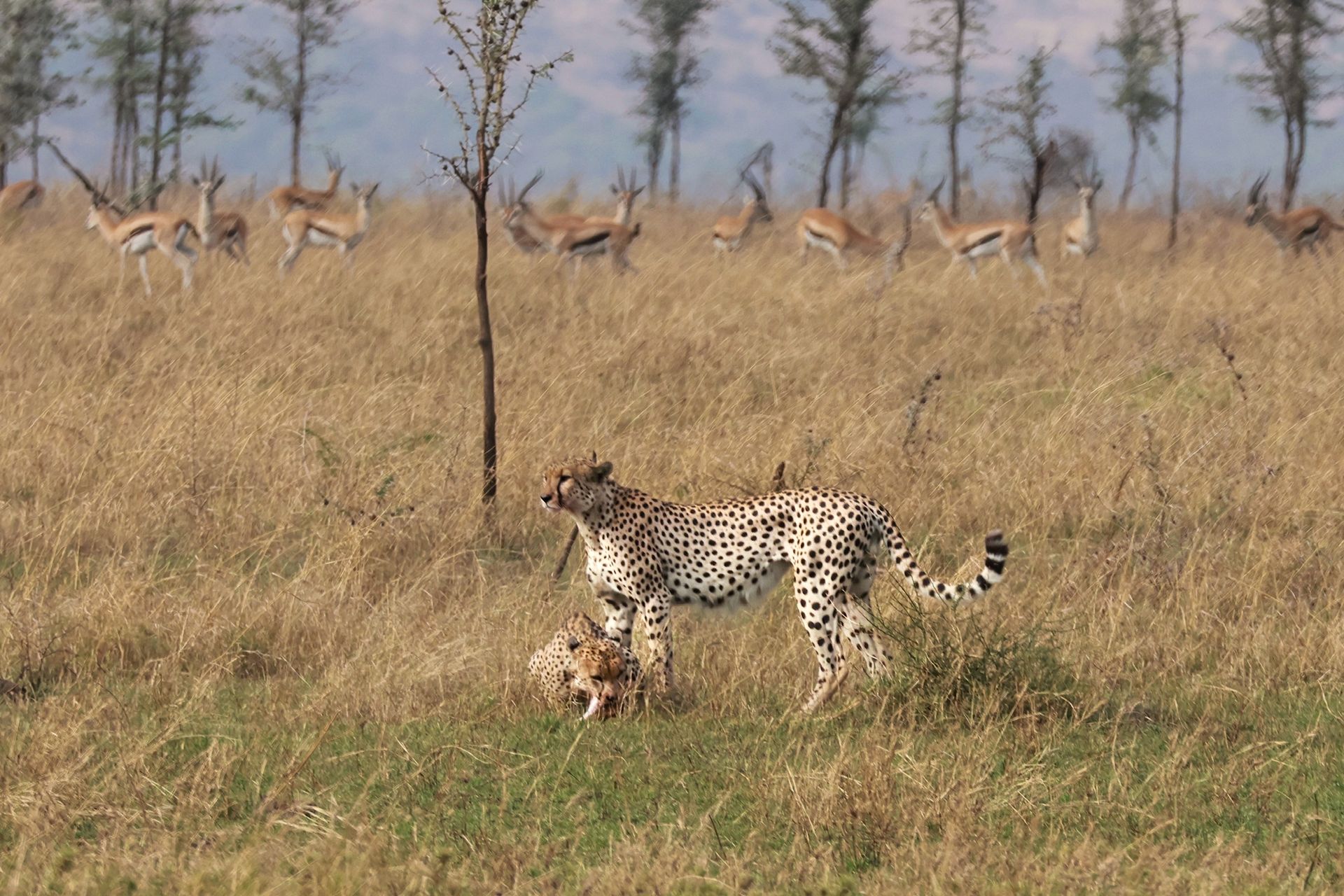
The Serengeti is the quintessential African safari. Its endless plains, its light, its high density of large predators, and the chance to witness the Great Migration make it one of the most intense wildlife experiences on the planet. The Serengeti covers more than 14,000 square kilometers and is home to one of the largest concentrations of lions, cheetahs, and leopards in all of East Africa.
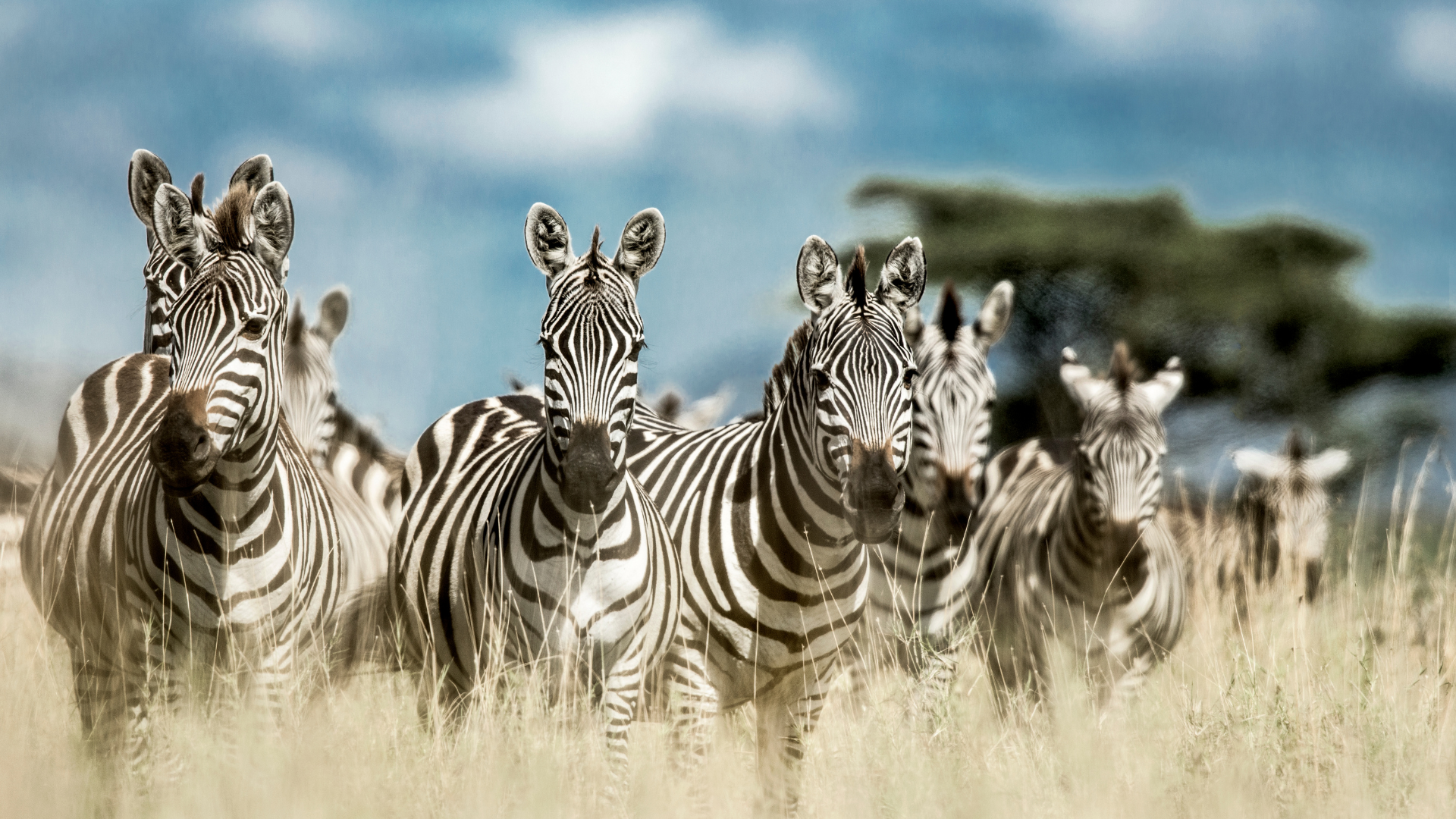
The Great Migration is the most spectacular natural phenomenon in the world. More than 1.5 million wildebeest, accompanied by zebras and gazelles, travel the same route each year, following the rains and fresh grasses. Between July and October, the herds cross the Mara River in scenes of chaos and survival of an intensity that few images can capture. Crocodiles wait. Lions circle. And the wildebeest cross anyway.
Aside from the migration, the Serengeti remains an exceptional safari destination year-round. The Ndutu sector in the south is the site of wildebeest births between January and March, with thousands of calves born in just a few weeks and predators constantly lying in wait.
The Ngorongoro crater
The Ngorongoro Crater is one of the most extraordinary places on the planet. This 260-square-kilometer volcanic caldera, formed two million years ago, is home to the largest concentration of wild animals in an enclosed space in the world: lions, elephants, buffalo, hyenas, wildebeest, and zebras share this almost self-sufficient ecosystem in a density and diversity without equal.
The descent into the crater at dawn, when the morning mist begins to lift from the walls and the first lions stretch at the edge of a marsh, is a safari experience unlike any other. The entire day spent in the crater is a series of close-up observations and interactions between species that impress even the most experienced travelers.
Tarangire National Park
Tarangire is often the first stop on a Northern Tanzanian circuit and an excellent introduction to the East African savannah. The park is renowned for its exceptionally high concentration of elephants, the highest in Tanzania, and for its giant baobab trees that lend the landscape an almost prehistoric feel. During the dry season, the Tarangire River becomes the focal point for all the region's wildlife: elephants, buffalo, zebras, wildebeest, giraffes, and predators mingle in a remarkable concentration of animals.
Tarangire is also one of Tanzania's top destinations for birdwatchers, with over 550 recorded bird species, including significant populations of rare or endemic species.
Lake Manyara National Park
Lake Manyara is renowned for a rare behavioral curiosity: its tree-climbing lions, an adaptation observed in very few places in the world. Its national park, nestled between the edge of the Rift Valley escarpment and the lake's shores, offers a density of trees and lush vegetation that contrasts with the open savannas of the Serengeti and creates very different viewing conditions.
Ruaha and Southern Tanzania: The Hidden Side of Tanzania
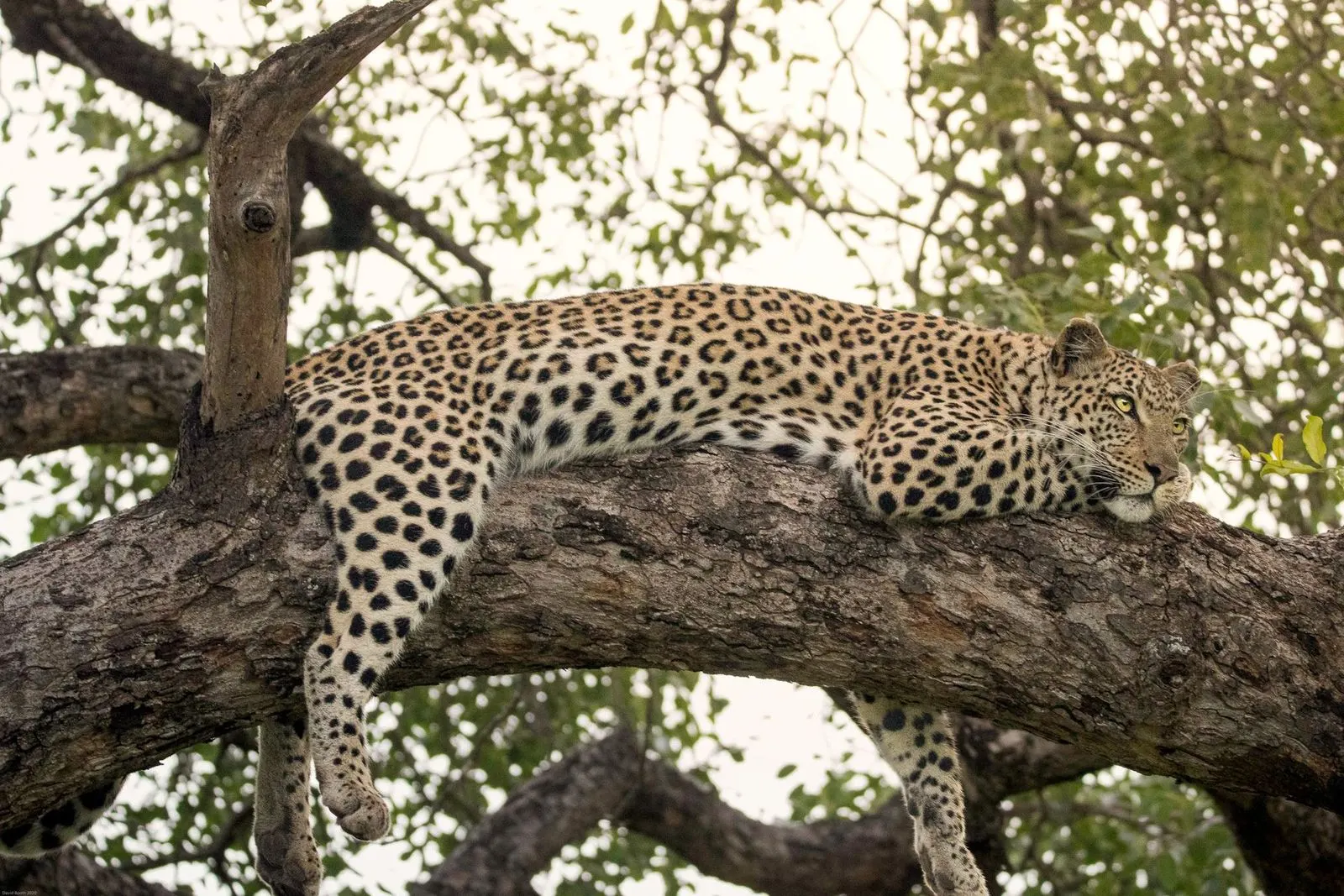
For travelers looking to venture beyond the typical northern circuit, Ruaha National Park is a revelation. It's Tanzania's largest park, encompassing over 20,000 square kilometers of savannah, forests, and wetlands virtually untouched by mass tourism. Ruaha is home to one of East Africa's largest lion populations, a remarkable number of African wild dogs, and a leopard density that rivals the best private reserves in South Africa.
The difference with northern Tanzania is striking: in the Serengeti, you might see numerous vehicles around a lion. In Ruaha, you can spend an hour with a leopard without a single other visitor disturbing the observation.
The Tanzania and Zanzibar safari combination
Tanzania is one of the few destinations in the world where an intense bush safari can be followed, just a 45-minute flight away, by a few days relaxing on the beaches of the Indian Ocean. Zanzibar is easily accessible by air taxi from Arusha: after several days of waking at dawn and intense drives in the Serengeti and Ngorongoro, the beaches of Nungwi or Matemwe offer a welcome and natural respite.
This combination trip has become one of our most frequent requests. The search term "10-day Tanzania and Zanzibar safari" is among the most popular in France for this destination, and for good reason. It's a package that combines two dreams in one, with seamless and straightforward logistics. See our dedicated article on the 10-day Tanzania and Zanzibar safari for all the details on this itinerary.
Why travel to Tanzania with Fundis'Africa?
Tanzania is a destination where the quality of the guide makes all the difference. In the Serengeti, everyone sees lions. What distinguishes an ordinary sighting from an unforgettable experience is the guide's ability to anticipate their behavior, position the vehicle before the action begins, and explain what you're seeing in your own language as it unfolds.
Our FGASA-certified guides know Tanzania inside and out: the classic northern circuit, which we've explored in all seasons, and the less frequented southern parks like Ruaha and Selous for travelers seeking a more secluded experience. Each itinerary is tailored to your preferences, travel dates, and priorities: the Great Migration, wildebeest calving in Ndutu, a Zanzibar extension, or exploring southern Tanzania.
Domestic flights between Tanzanian parks are an integral part of the logistics: Fundis'Africa coordinates all transfers, accommodation bookings and entry fees so that all you have to do is arrive.
Safari in Tanzania with family, as a couple or with friends?
Tanzania caters to all types of travelers. For families, the Northern Tanzania circuit offers spectacular wildlife viewing easily accessible by vehicle, with family-friendly lodges to suit all budgets. The Zanzibar extension is perfectly suited for children.
For couples, bush camps inside the Serengeti allow you to experience the Migration up close, with the sounds of animals at night and safaris at sunrise before the arrival of other visitors.
Among friends passionate about photography, the light of the rainy seasons on the plains of the Serengeti and the births of Ndutu offer photographic opportunities that the high season does not always produce.
Consult our FAQ destinations for practical information on Tanzania: visa, vaccines, best seasons by area and health recommendations.
How about going on safari with Fundis'Africa?
Each trip is designed around you: your desires, your pace, your Africa.
Let's discuss your project