


Safari in Namibia
Between dunes and savannahs, a unique adventure in Namibia
Explore our other destinations
southern africa
Our safaris in Namibia
*Dear visitors, please note that the safaris presented below are examples. Each safari trip can, of course, be customized to your needs and preferences.
our experiences in Namibia
Discover our exceptional safaris in Namibia
Go on safari in Namibia
Enjoy an unforgettable experience, organized by an expert tailor-made safari guide
What if we imagined your next adventure with Fundis’Africa?
Book a moment to talk with us about your wishes, ask your questions and imagine together a safari that suits you.
Book an appointment
Namibia, the safari experience with a difference
Namibia is a destination that surprises. You don't come to Namibia to see the same things as in Kenya or Tanzania. You come to see something you can't see anywhere else: elephants walking in the desert, black rhinos in the morning mist in Etosha, lions roaming vast territories in Damaraland, and red sand dunes melting into a deep blue sky at sunset.
Namibia is one of the least densely populated countries on Earth. This near absence of human presence is immediately apparent: the parks are vast, the tracks are often deserted, and the animals live according to rhythms that mass tourism has yet to disrupt. It is one of the last destinations in Africa where you can still feel like you're the first to set foot somewhere.
At Fundis'Africa, Namibia is the destination we recommend to travelers looking for a different kind of safari: less crowd, more landscapes, and wildlife adapted to extreme conditions unlike any other in Africa.
The must-see destinations for a safari in Namibia
Etosha National Park
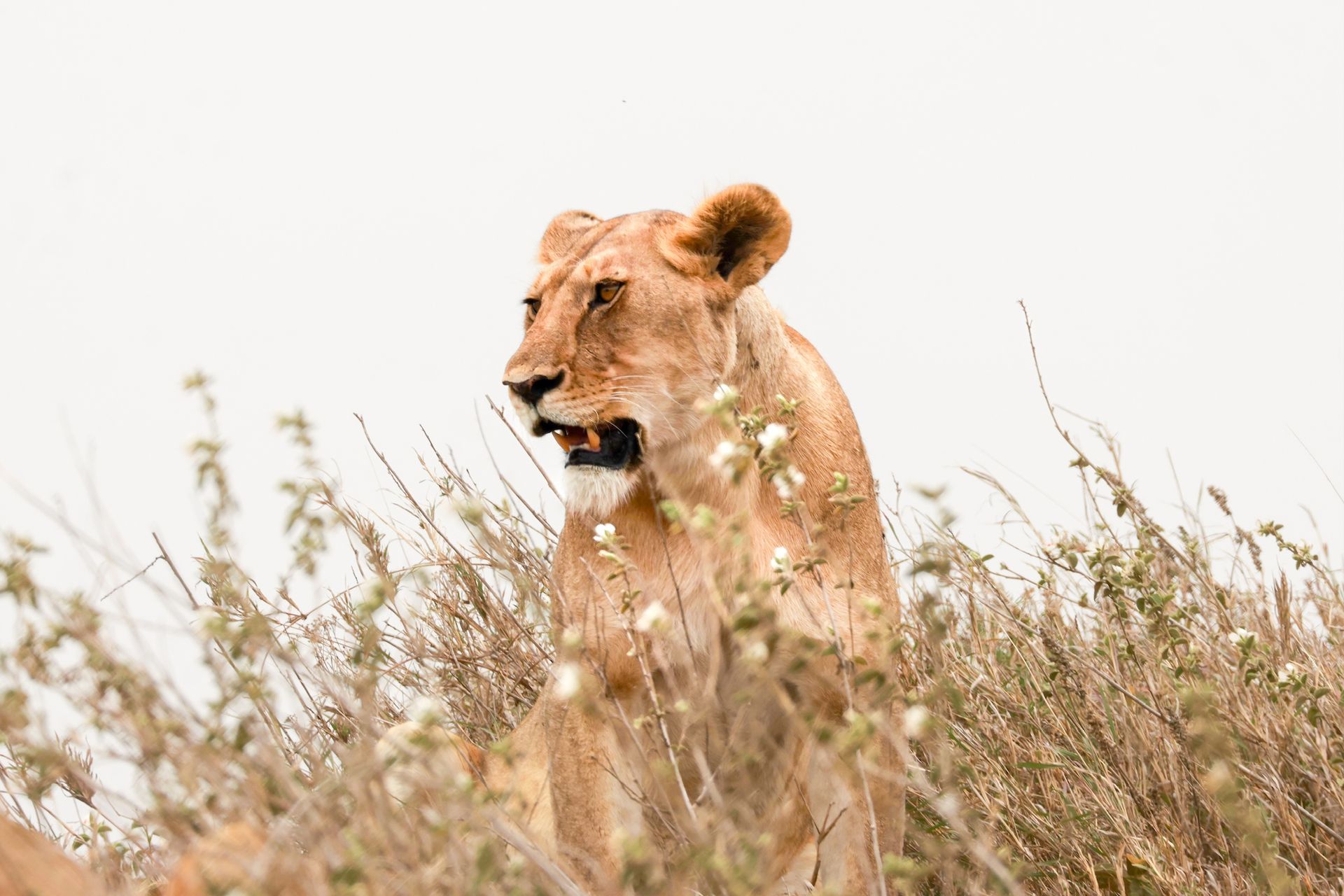
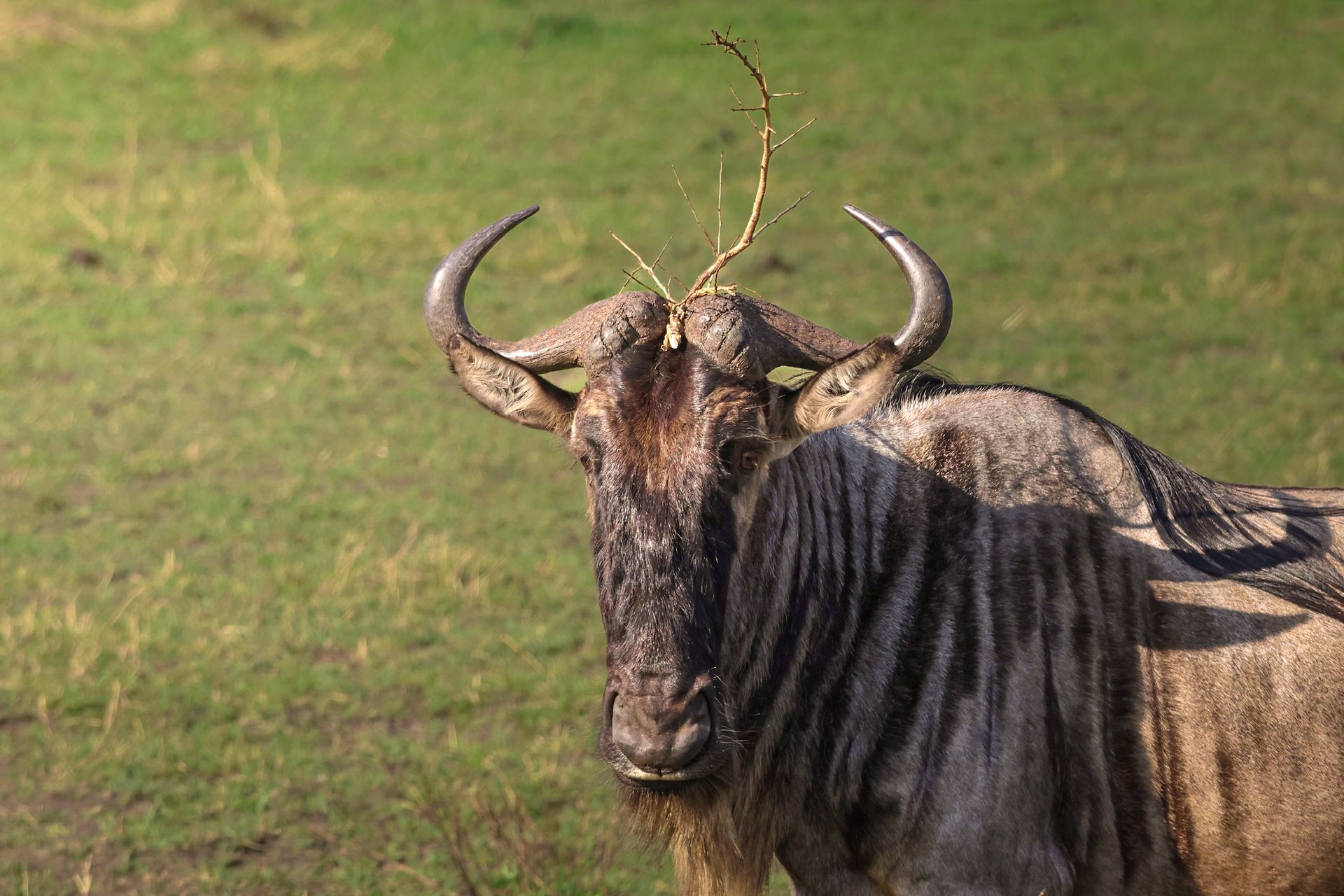
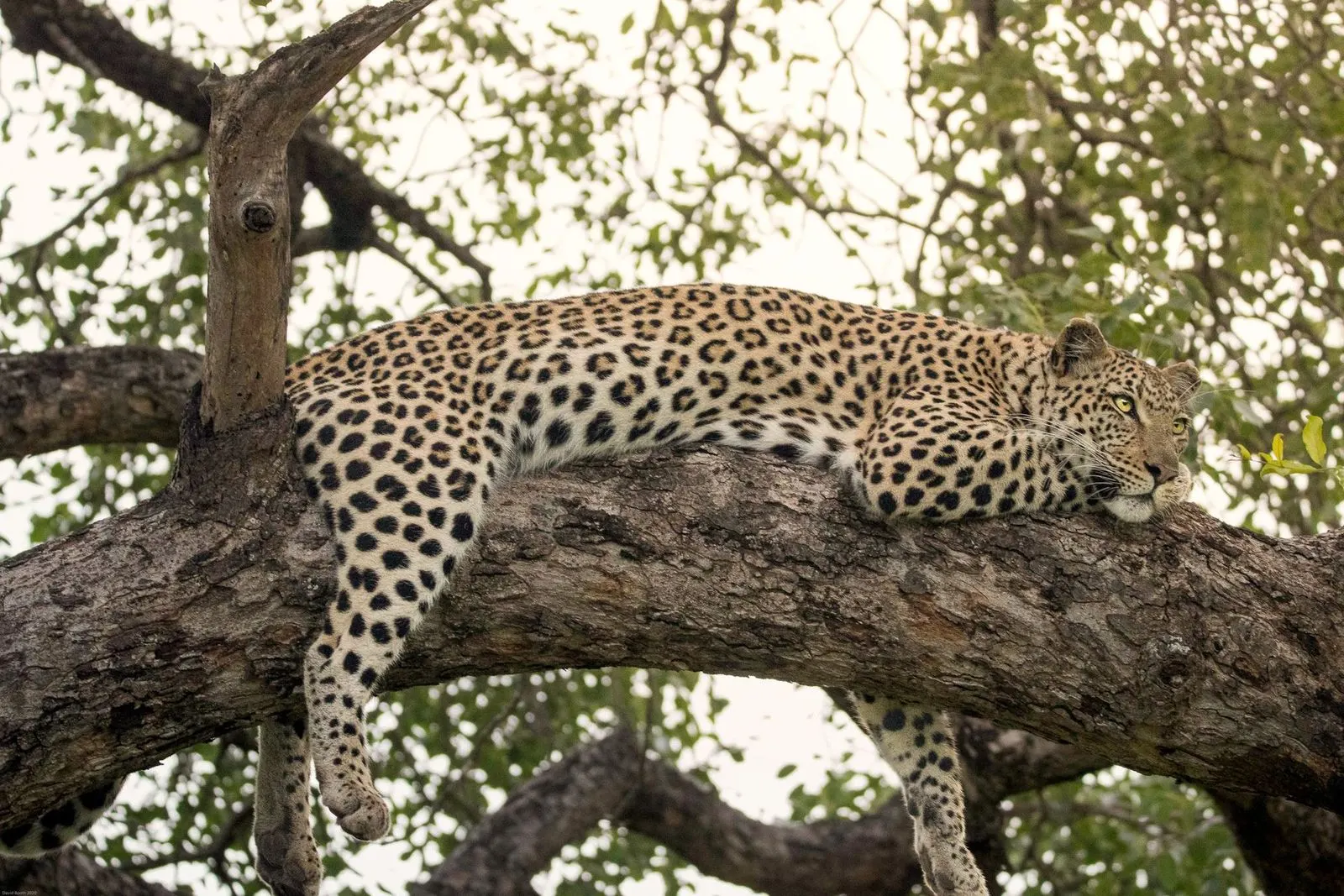
Etosha is the heart of the Namibian safari. This immense park, covering more than 20,000 square kilometers, is organized around a giant salt pan, the Etosha Pan, visible from space. During the dry season, animals converge on the waterholes bordering the pan, creating scenes of exceptional density and quality for wildlife viewing: lions, hyenas, cheetahs, elephant leopards, black rhinos, giraffes, zebras, and a multitude of antelopes follow one another at the same water sources in an animal ballet that lasts from sunrise to sunset.
Black rhinos are the pride of Etosha. The park is home to one of the largest populations of black rhinos in Africa, and observing them at a waterhole at night under the Namibian stars is an experience few other African destinations can offer. Some Etosha camps have night blinds invisible to the animals, allowing for exceptionally intense nighttime sightings without any motorized safaris.
Damaraland and the desert elephants
Damaraland is one of the most unique experiences in all of southern Africa. In this territory of red rocks, canyons and wind-twisted trees, lives a population of elephants that has developed over generations unique adaptations to survive in the desert: wider feet for walking on sand, the ability to travel dozens of kilometers without water, and a diet of bark and roots that savanna elephants do not eat.
Observing these desert elephants in their lunar landscape, guided by local communities who have been following them for decades, is an encounter of almost spiritual significance. Damaraland is also home to wild black rhinos in their natural habitat, the millennia-old rock carvings of Twyfelfontein, and nights of absolute silence and darkness, with some of the most spectacular starry skies on the continent.
Sossusvlei and the Namib Desert
The Namib Desert is the oldest desert in the world. Its red sand dunes, sculpted by millions of years of wind, reach heights of over 300 meters in some areas of Sossusvlei. The "Big Daddy" dune and Deadvlei, a white clay pan dotted with the skeletons of ancient trees, are among the most photographed images of Africa.
Sossusvlei isn't a safari destination in the classic sense: the wildlife is discreet and adapted to the desert (oryx, springboks, ostriches, jackals). But it's a visual and sensory experience of rare intensity. Climbing a dune at dawn, before the sun turns the sand into an oven, produces a low, orange light that photographers come from all over the world to capture specifically.
The Skeleton Coast
The Skeleton Coast is one of the wildest and most inhospitable coastlines on the planet. Battered by the winds of the South Atlantic and shrouded in mist for most of the year, it takes its ominous name from the whale bones and shipwrecks that have littered its beaches for centuries. It is also one of the most pristine nature reserves in Africa.
The lions of the Skeleton Coast are famous in the conservation world: they have learned to hunt sea lions on the sandy beaches, a behavior observed in very few places in the world. The Cape Cross fur seal colonies, with their tens of thousands of individuals, also attract lions, brown hyenas, and black-backed jackals who come to take advantage of this seemingly inexhaustible food source.
The Band of Caprivi
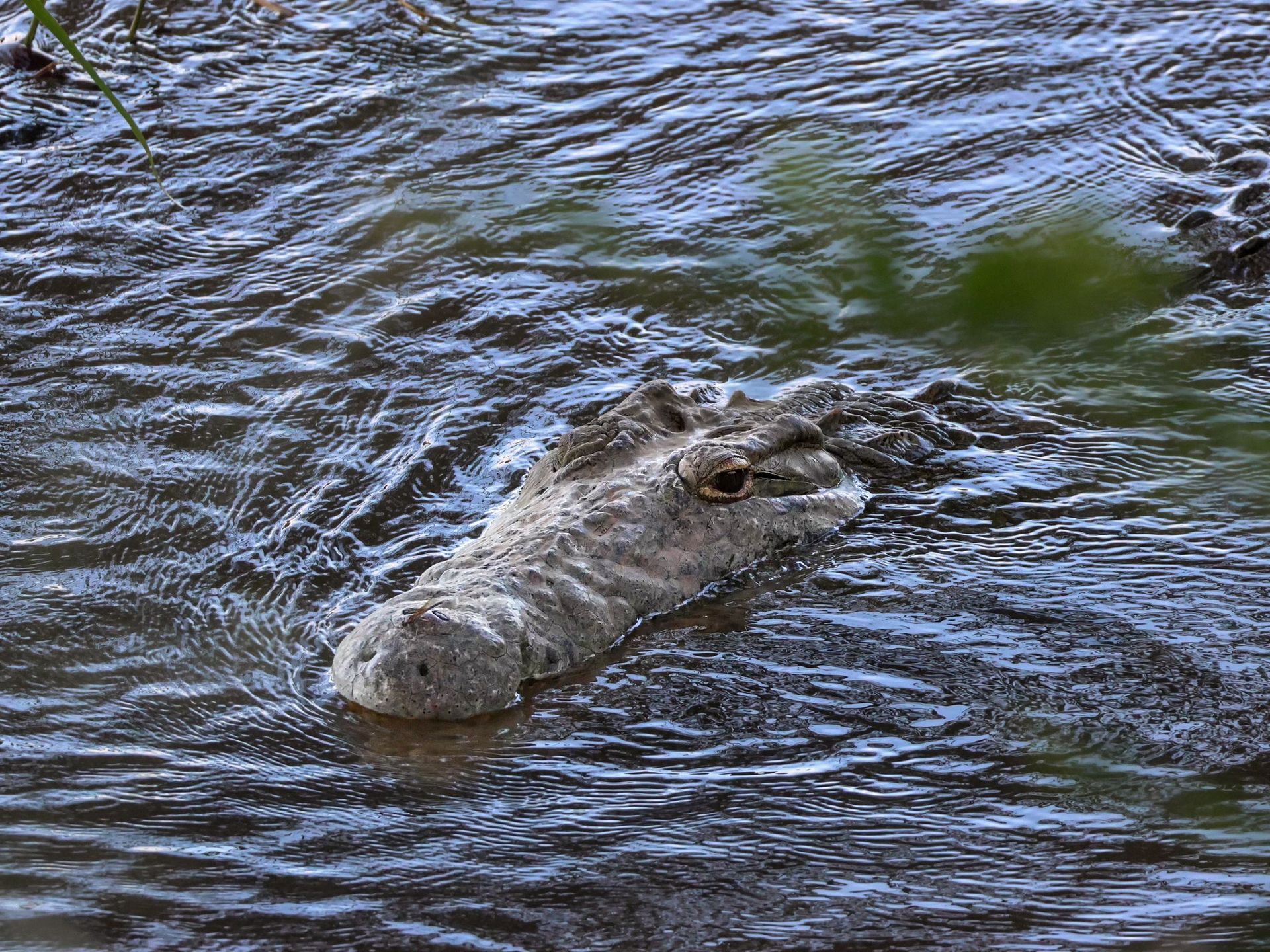
The Caprivi Strip, Namibia's easternmost point, is a corridor of lush vegetation nestled between Botswana, Zambia, and Zimbabwe. Traversed by four major rivers, including the Zambezi and the Chobe, it is a wetland teeming with wildlife that stands in stark contrast to the rest of Namibia. Elephants, hippos, crocodiles, buffalo, and exceptional birdlife inhabit the riverbanks in an atmosphere entirely different from the Namibian desert.
The Caprivi Strip allows for the creation of combined itineraries between Namibia, Botswana and Victoria Falls in Zimbabwe or Zambia, offering a diversity of ecosystems in a single trip.
Why travel to Namibia with Fundis'Africa?
Namibia is a destination best explored with a guide who understands its contrasts and subtleties. It's not a country where you can simply follow the tourist flow: the best experiences are found off the beaten track, in areas that only experienced guides truly know.
Our FGASA-certified guides know Namibia in all its diversity: the wildlife of Etosha and its specific behaviors at nighttime waterholes, the communities of Damaraland that follow desert elephants, or the areas of the Skeleton Coast. This on-the-ground knowledge is what separates a standard Namibian tour from a truly unforgettable journey.
Every safari in Namibia organized by Fundis'Africa is tailor-made. Namibia is particularly well-suited to circuit itineraries, where accommodations change every night or two to cover the vast distances between areas of interest. We create these itineraries based on your priorities: wildlife viewing at Etosha and Damaraland, landscapes at Sossusvlei and the Skeleton Coast, or a balanced combination of both. Fundis'Africa takes care of all the logistics, transfers between locations, and provides support in French or English, if needed, throughout your stay.
Safari in Namibia as a couple, with family or friends
Namibia is one of Africa's most ideal destinations for independent travelers who love wide-open spaces and solitude. For couples, the Namib Desert lodges, built on platforms in the dunes or suspended above canyons, offer experiences of intimacy and beauty that few other destinations can match. Some lodges in Damaraland have been designed for complete integration with the landscape, offering nights under the stars from an open-air bed.
For families, Namibia offers the advantage of being a malaria-free destination in most of its areas of interest. Etosha, Sossusvlei, and Damaraland are outside the risk zone, making it a preferred choice for families with young children. Safaris in Etosha are accessible to all ages, and the landscapes are spectacular enough to captivate children.
For photography enthusiasts, Namibia is probably the richest destination on the continent in terms of light and visual diversity. Sunrise over the dunes of Sossusvlei, the morning mist of the Skeleton Coast, black rhinos backlit at the Etosha waterhole: every stop on a Namibian tour is a unique photographic opportunity.
For friends who love nature, combined trips to Namibia and Botswana or Namibia and South Africa offer the chance to alternate between the vast Namibian desert landscapes and more conventional safari areas, for a complete and varied Southern African adventure. Consult our Destinations FAQ for all the practical details about Namibia.
How about going on safari with Fundis'Africa?
Each trip is designed around you: your desires, your pace, your Africa.
Let's discuss your project